

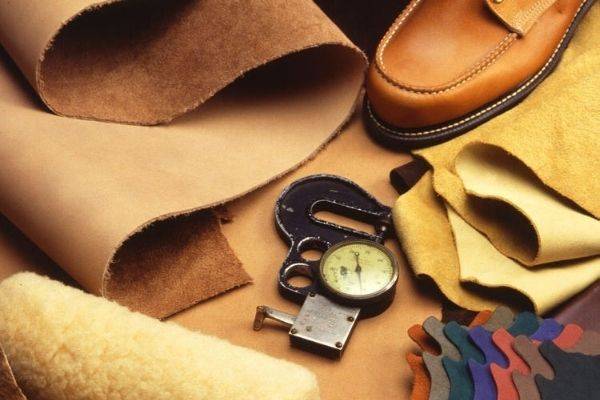
Plan on analyzing your skills in crafting quality Italian leather bags? Or do you have an errand to run in the leather supply shop? Whatever the situation, you will surely have to train your senses to get more bang for your dollar when shopping for stuff.
There are hundreds and hundreds of booths and stores selling vegetable, chrome, and even brain-tanned leather in Texas alone. They come in a variety of colors and depth – so how can you know which kinds of leather will fit your purpose like a charm?
In all candor, it’s vital to be given a suitable education on these things so that you don’t get burnt. After reading this blog post, we promise you will understand why some bags are so expensive and some are not. You will learn why some luggage readily suffers cracks and tear and some do not. And, in the end, you will know exactly what to watch out for next time you go searching for materials. Quality Italian leather is what maintains I Indian Leather Manufacturer’s good name, so we say to you: keep calm and continue reading.
Kinds of leather
I Indian Leather Manufacturer products are produced with the best veg-tanned Italian leather. However, there are lots of leather ranges available on the market to select from, so let us determine the properties of each type if we are to craft something special from them.
Full-Grain
This type comes in the upper layer of the mask and as its name implies, it includes all the grain. What is characteristic of this type is the surface patina is proven to burnish and decorate with use. It’s safe to say this is the ideal leather tier money can buy.
Remember, however, that some companies have a tendency to spray poor leather materials to make them seem expensive or substitute the real thing with look-alike vinyl. Truth is, only a small fraction of bags are made from genuine full grain leather so those labels which you see claiming the way the item is 100% grain are probably a hoax.
We Indian Leather Manufacturer prevent adding artificial oomph into the bags at all costs. Our marks, scrapes, and scars are organic. Those complete grain imperfections running through the mask are exactly what makes every leathercraft so unique and full of personality. The harder you ride it, the better it will look – that’s a guarantee!
Top grain leather
The 2nd highest tier of leather found in supply stores is top grain. This type is divided from the upper layer of blemished hide before it’s thoroughly sanded and refined. The sanding process rids the hide of its different scars and brands, and that’s why they do not age as well as full-grain. This material may be strong and durable but minus the strongest fibers of the hide, it can nevertheless be pulled apart horizontally. And another interesting thing: leather shavings are used as filler in cheap dog food so be careful with what you feed your pups, okay?
Genuine leather
This third leather tier is created from leftovers after the top is split off. It can be rough or smooth and the surface is usually spray-painted to possess this top-grade glow. All of us know suede, for example, right? Well, suede may seem good and is more demanding than fabric but it performs poorly when enduring stress. Genuine leather is excellent for lining but will not last long should you produce a whole bag from it.
Bonded leather
As the name implies, this kind is just dust and shavings pressed and glued together. You can accomplish the exact same thing with bread, water, and – you will never guess – dog litter. Simply mix and press it all together, let it dry in the sun for 2 days, spray paint it, and voila!
Truth be told, when it comes to durability and elegance, bonded leather seems like it just fell from a turnip truck. However, it has a purpose here and there. Whatever the fact it is feeble and degrades quickly with usage, most book covers such as those found enveloping the Bible are made of the material.
Detailed guide to leather tanning
So as to craft quality leather bags, cases, and accessories, we Indian Leather Manufacturer get our veg-tanned Italian leather directly from Florentine workshops. But in the event you ever wondered how to make yourself some leather, regrettably, first, imagine stumbling upon a newly deceased cow. How can we make good use of its stays and make superior leather ranges?
Follow this step by step guide to find out more:
- The cow is carefully peeled and the hide is taken to the tannery where excessive hair, fat, and meat is eliminated.
- The”Wet Blue” point is when moisture, oils, and the rest of the organic preservatives are extracted from the mask.
- Wet blue hides are then put into a giant drum and baptized in new preservatives, coloring, and oils. Based upon the leather thickness, it may take up to ten hours of tumbling from the drum for fluids to penetrate the hide so as to give it life and malleable properties.
- Finally, the final product is heat-pressed, hung up to dry at a particular degree of humidity, spray-layered with sealers and finishes, and pressed again for the last time.
Also, listen to leather which is not tanned long enough. It could appear eye-pleasing but it can crack and tear very quickly. Tanneries are supposed to completely replenish the hide with oils and preservatives.
But some tanneries allow the hide to tumble from the drum for the outer layer to be suitably coated, leaving the inner area rid of its necessary oils and preservatives. It is like comparing a Porsche and a Dodge. Both look amazing on the outside but what is happening under the hood speaks volumes concerning durability and performance.
How tanneries cheat in creating leather?
Just one flea drum generally costs over $100,000 USD, which explains why several tanneries are short on gear. This is the principal reason they cut the tumbling time by up to a staggering 90%!
That is cheating 101 and, frankly, a enormous money-making move. Not only does it take less time for such tanneries to make various kinds of leather but they also spend less dough on necessary oils, preservatives, and colors. And many people are oblivious to leather ranges and qualities so that they will shop pretty much anything so long as it catches their attention.
Proper tanning liquids can also be expensive but there are cheaper options, which can save companies huge amounts of money on a yearly basis. Combine this with cheap dyes, along your leather tote will fade and crack with excessive sunlight very quickly.
We Indian Leather Manufacturer has an arrangement with Italian leather supply shops which prevent using the chrome tanning technique. Instead, we’re focused on boosting the vegetable-tanned tanning technique, which has been utilized since ancient times. Sure, it might take them months to complete a batch but the end product is organic, the patina is brimming with exceptional attributes, and the environment does not suffer for it.
The way to tell decent leather aside from cheap leather?
There are instances when companies truly believe they’re selling quality leather ranges without knowing they’re being ripped off from the factory they’ve outsourced their production . Obviously, the origin of these problems is usually found on peak of the chain.
The general director of the outsourced mill pays only for the cheap stuff but charges for the expensive stuff. It’s that easy. And considering that the substances are painted, folded over, and sewn at the edges, it’s tough to tell the difference – until you get a great deal of complaints from your loyal customers, that is.
We at I Indian Leather Manufacturer aren’t searching for perfection but credibility. Our Italian leather goods may vary in colors and have different marks but our objective is to craft handmade bits, which will necessarily age and last a lifetime. We opt for sustenance and course. There’s absolutely no progress in perfection!
We hope this information can help you with finding the kinds of leather you require. Needless to say, we Indian Leather Manufacturer is always at your service but should you would like to keep on searching somewhere else, we wish you all the luck in the world, yet!
You take care, y’all!