

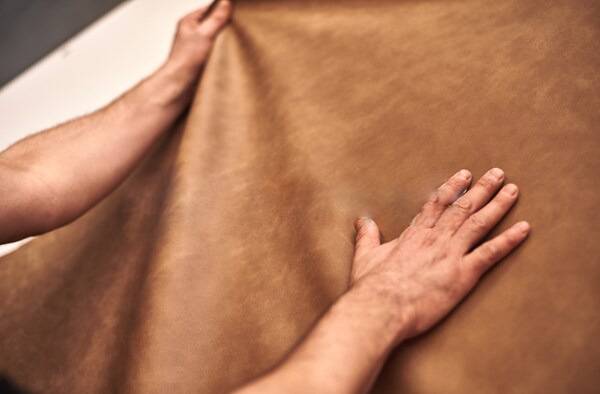

Leather manufacturing is the process of converting raw animal skin into leather through three sub-processes:
- Preparatory stages;
- Tanning;
- Crusting.
However, the operations the hide undergoes (that could be anywhere from 35 to 55 different operations) all depend on what type of leather a manufacturer is producing.
Leather manufacturing is a by-product of the meat and dairy industries, and leather can come from any animal.
But, the most popular type of skin used in the leather manufacturing industry is bovine (ox, cow, calf, and buffalo skin), which accounts for 64% of leather.
Leather is traded internationally and comes in different conditions: fresh, wet salted, pickled, sun-dried, crust, wet blue, and finished.
The history of leather manufacturing is a long one.
Leather has been manufactured for thousands of years, by extracting water from bark, wood or leaves, to preserve an animal’s skin from decay.
According to experts, the oldest tanneries, found in Egypt, date back to over 5,000 years.
And since then, it’s now estimated that there are 9,000 tanneries worldwide, and the annual area of leather produced is 19,000 million square feet, that’s around 2 million square foot per tannery.
We haven’t touched on faux leather, but we will further in the article. For now, let’s investigate the leather manufacturing process.