

Real leather and vegan leather are two materials commonly used in fashion, furniture, and accessories. Real leather is made from the skin of animals, while vegan leather is often made from synthetic materials such as polyurethane or natural materials like cork or pineapple leaves. Both have their pros and cons when it comes to sustainability, durability, and overall environmental impact.
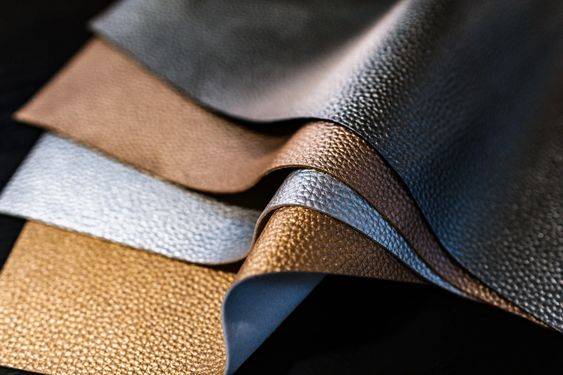
One advantage of real leather is that it is a natural material that can last for years with proper care. It also has a unique texture and look that many people find appealing. However, the process of making real leather involves killing animals which raises ethical concerns for some consumers. Additionally, the production process can be environmentally damaging due to the use of harsh chemicals in tanning.
On the other hand, vegan leather is often considered a more sustainable alternative since no animals are harmed in its production. It also tends to be less expensive than real leather.
For centuries, leather has been the go-to material for high-quality apparel and accessories. It’s no surprise that many consumers swear by its durability, longevity, and aesthetic appeal. However, vegan leather has emerged as an alternative to animal-derived leather in recent years. While it may seem like a more ethical choice at first glance, real leather still reigns supreme when it comes to quality.
One of the primary reasons that real leather is superior to vegan leather is its inherent strength and resilience. Leather is a natural material that can withstand wear and tear without losing its shape or texture over time. In contrast, synthetic materials used in vegan leather often break down quickly due to exposure to sunlight or other environmental factors. Real leather also tends to age beautifully – developing a rich patina over time – while vegan alternatives have a more uniform appearance.
Another advantage of real leather is its breathability and ability to regulate temperature.
The superiority of real leather versus vegan leather is subjective and depends on individual preferences and priorities.Each material has its distinct advantages and characteristics. Here are some points to consider:
Durability: Real leather is generally known for its durability and longevity. It can withstand wear and tear, and with proper care, it tends to age well and develop a distinctive patina over time. However, high-quality vegan leather made from synthetic materials can also be durable and long-lasting.
Animal Welfare: One of the main reasons people opt for vegan leather is to avoid the use of animal products. Vegan leather is typically made from synthetic materials like polyurethane (PU) or polyvinyl chloride (PVC), reducing the impact on animals and promoting animal welfare.
Environmental Impact: The production of real leather often involves various chemical processes, including the use of toxic tanning agents that can have adverse effects on the environment. Vegan leather, on the other hand, can be manufactured using more environmentally friendly processes, reducing the overall carbon footprint.
Aesthetics: Real leather is often praised for its natural texture, unique grain patterns, and luxurious look and feel. It has a timeless appeal and can exude a sense of elegance. Vegan leather can closely mimic the appearance of real leather and also offer a wide range of textures and finishes.
Cost: Real leather tends to be more expensive than vegan leather due to the cost of sourcing and processing animal hides. Vegan leather, being a synthetic alternative, is often more affordable and accessible.